Anxiety is our body’s natural alarm system, it is designed to protect us. However, as we live in such connected world, our brain may become overly sensitive, firing off warnings even when there is no real danger.
Your amygdala is the brain’s fear center. When it senses a threat, whether real or perceived, it sends signals sto your body to activate the fight-or-flight response. This floods your system with stress hormones such as cortisol and adrenaline, preparing you to run or defend yourself, being a natural body’s response.
We live in connected world, our life can provide constant stressors. We have deadlines, financial pressures, increasing uncertainty in our lives can trigger those same alarms. The constantly present social media may impact on our mindset, adding extra pressure to our self-image, our perception of truth, spiraling anxiety that our brain perceives as threats, even though we may be sitting at home just strolling through news or watching TV, far from any physical danger.
Anxiety thrives on future thinking - ‘What if I mess up?”, “What if something bad happens?”
These patterns keep your nervous system on high alert and the more we dwell on them, the stronger the anxiety loop becomes.
What you can do:
Box breathing 4-4-4-4
This technique helps you to regulate your nervous system and center your thoughts. Repeat for 3-5 min. You can do this anywhere - before meeting, in traffic or when you feel tensed, stressed.
Inhale for 4 seconds - Hold your breath for 4 seconds - Exhale for 4 seconds - Hold again for 4 seconds.
Walking in nature
Spending time in nature, especially green spaces, activates the parasympathetic nervous system, your body’s ‘rest and digest’ mode. This reduces the heart rate, lowers blood pressure and helps your body shift our of the fight-or-flight mode.
Sunlight boosts Vitamin D, supporting mood regulation. Natural light also helps to regulate your circadian rhythm, improving sleep (something anxious minds often struggle with). Outdoor activities such as walking, hiking or gardening are forms of low-intensity movement, helping to release feel good chemicals like endorphins and serotonin, supporting emotional balance.
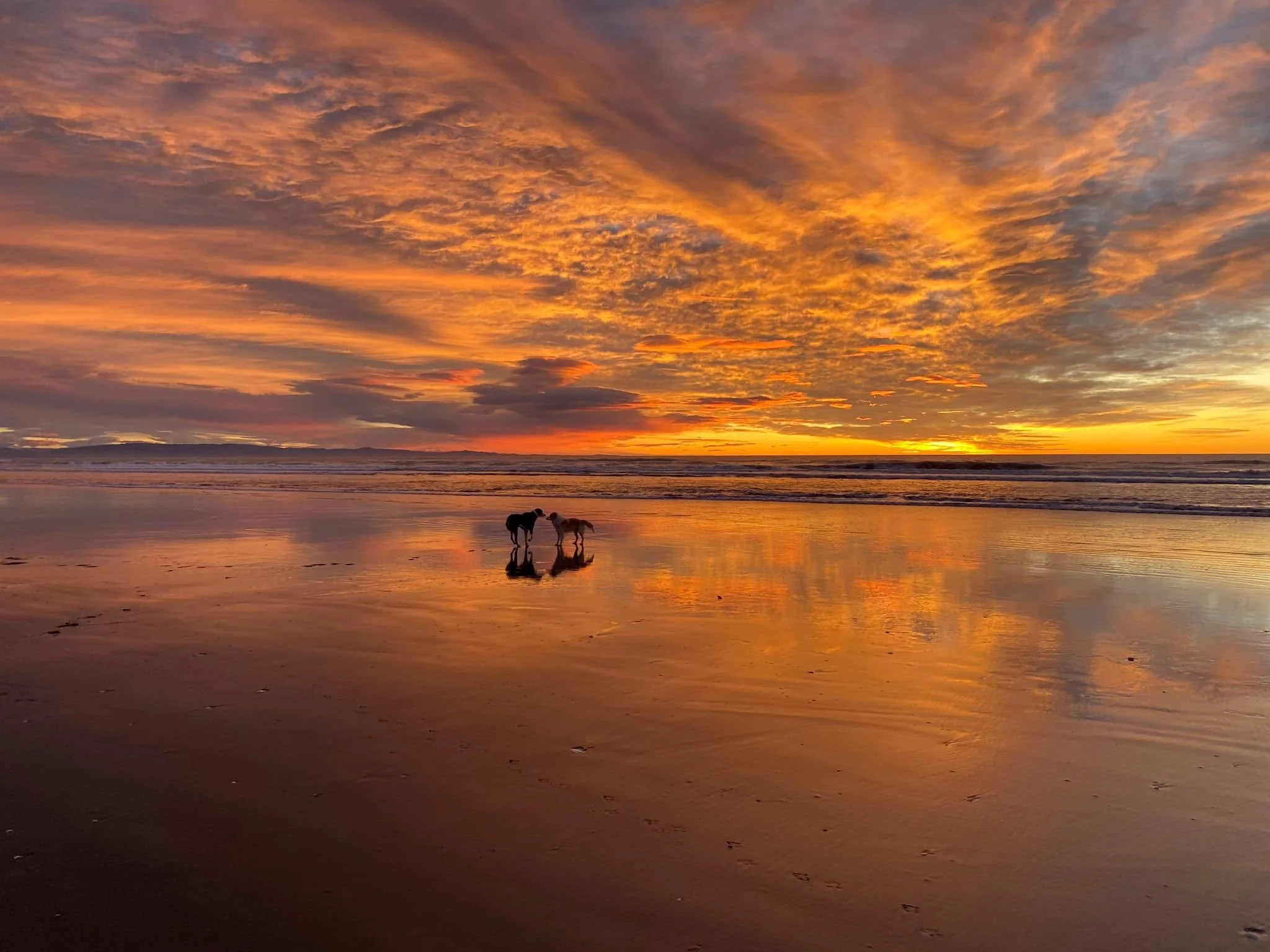
So if you can, spend more time outdoors. Being in wide open or green spaces gives you a break from constant stimulation of screens, traffic, and responsibilities. Can you take 15 min walk every day or twice a day, focus on your breathing, focus on your feet touching the ground, the rhythm of your steps, and your breath. Notice spaces around you, the sky, sunrise or sunset.
Nature is free, accessible and powerful ally for your mental wellbeing. If you can, when you feel anxious, step outside, even briefly. It can quiet your thoughts, soften your anxiety, and help you to reconnect with a calmer, steadier part of yourself.
It is important to have your own personal effective ways to calm yourself, whether it is movement, breathwork, rest, or any specific boundaries that you created and know it works for you. Anxiety is not your enemy, your body is just looking after you, trying to keep you safe. Your goal is not to eliminate anxiety completely but to understand it, respond to it skillfully and retrain your system to feel safe more often than not.
Do you want to share what works for you? Remember, we are all individuals, and may have very different methods to calm our anxious thoughts.
Personally, I love my sunrise walks with my dog, the sky can be absolutely amazing at times.
Be kind to yourself x